

If you are not a subscriber of The Fanbase Builder, join 1.000+ artists, creators, and music industry executives who receive it for free.
Let’s dive into today’s topic:
Why artists should do things that don’t scale
In an automated world, a personalised note is the ultimate luxury product.
Why it matters
Many artists fear that they are not moving fast enough. It’s tempting to look at the massive numbers of global superstars and assume the path to get there is through automation: comment bots, copy-pasted DMs, and social media scheduling tools.
However, in the startup world, there is a famous piece of advice from YC founder Paul Graham: “Do things that don’t scale.” When a company is small, founders can do things big companies can’t, like manually onboarding users or interviewing them.
Artists should apply this same logic. When artists are building their brand, they can be truly intimate. In an era where AI generates infinite content for infinite timelines and bots spam thousands of comments, unscalable human attention becomes scarce and valuable.
We crave what is rare. If you automate your relationship with fans too early, you treat them like data points rather than the humans who will eventually fund your career.
How it works
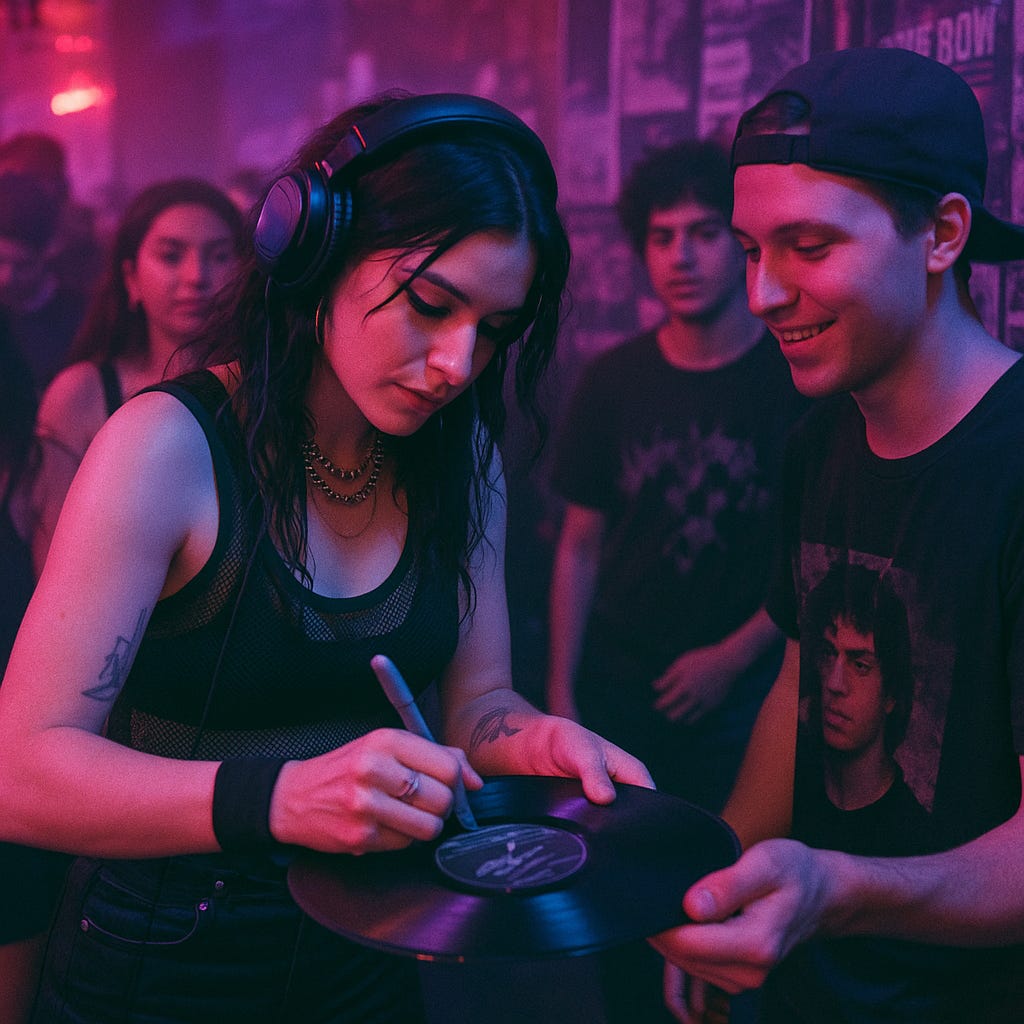
In UX design, a Concierge MVP (Minimum Viable Product) is an early-phase product where companies manually provide their service instead of building complex algorithms. For early-phase and emerging artists, this means replacing automated workflows with interactions:
Audio (or video) replies: Instead of liking a DM, record a short voice or video message addressing the fan by name. It’s inefficient, but the fan will likely remember it for years.
Hand-written notes: If you manage your own merch fulfilment, include a hand-written thank you card. Don’t use a printed flyer, use a pen.
Ask for feedback: Treat your top 50 listeners as a focus group. Ask them for feedback on demos or artwork directly.
This strategy leverages the psychological principle of reciprocity. When a fan realises you have spent your personal time on them, a resource they know is limited, the perceived value of that interaction skyrockets. You are investing your attention before asking for theirs.
Yes, but..
Artists can’t do this forever and for everyone. But that is precisely the point. Emerging artists and their teams can do it now because they can.
It’s a common thread in my advice to artists: you have to put in the hard work in the early phases of your career. Artists rarely stand out solely due to their music. Brand building, finding culture and niche, and community building are key.
By investing heavily in the first 100 or 1.000 fans, you build a cultural foundation of loyalty. These early evangelists, who feel personally connected to you, will later do the heavy lifting of marketing.
Take action now
Select one unscalable action to perform this week that requires genuine human effort:
Find the last five people who messaged you or tagged you in a story. Send them a personalised audio message thanking them for their support.
Identify three fans who consistently engage with your posts but whom you have never spoken to. Send them a message asking a specific question about their life or their taste in music.
Your thoughts
Further reading
Do things that don’t scale (Paul Graham)
Concierge MVP: Definition, When to Use & How to Run It (Empat)
How artists can learn more about their best fans (The Fanbase Builder)
New fans come from the actions of current fans (The Fanbase Builder)