

If you are not a subscriber of The Fanbase Builder, join 1.000+ artists, creators, and music industry executives who receive it for free.
Let’s dive into today’s topic:
What artists shouldn’t learn from other fandoms
Copying fandoms without context leads to cringe.
Why it matters
Artists can learn a great deal from other fandoms. Not only from marketing campaigns by artists across different genres, but also from gaming, sports, film, and even adult entertainment. Each industry has developed new methods to engage audiences and generate revenue, often at a faster pace than the music industry itself.
However, research shows that fan behaviour doesn’t copy-paste neatly across scenes. Every fandom has its own rituals, hierarchies, and logic.
Borrowing without thought can backfire. What feels genuine in one scene might seem manipulative or cringe-worthy in another. Understanding these boundaries distinguishes strategic artists from those merely following trends.
How it works
Academic research warns against overgeneralising research findings from one fandom to another. Although fandoms share behaviours like sharing, remixing, and coordinating, they originate from different motivations and social norms. For example:
K-pop fandoms act like volunteer organisations with clear hierarchies and assigned roles.
Indie fandoms cherish intimacy and authenticity. Excessive coordination feels forced.
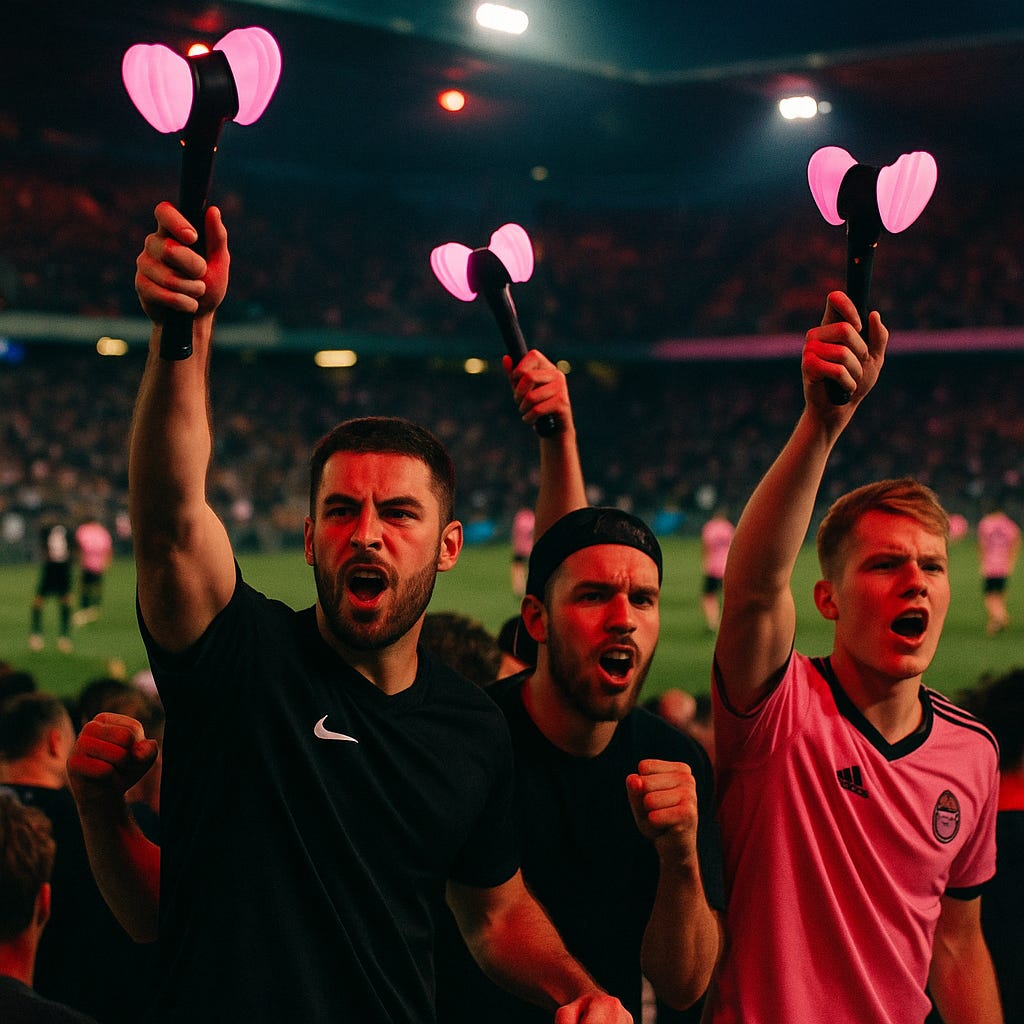
Sports fandoms thrive on physical rituals and traditions, like colours, songs, and symbols.
The context of culture and medium always matters. For example, in comics and anime, fans embody the world they love through cosplay. Charli XCX’s BRAT campaign worked similarly. Fans didn’t just listen to the album, they embodied its universe. They wore the green, used the typeface, and captioned their selfies with brat energy.
Both fandoms blur the line between fan and performer. The artist provides the blueprint, while the fans bring it to life. Their brand worlds are constructed loosely enough for fans to inhabit.
Yes, but..
There are many nuances here. I probably haven’t thoroughly read all the research, partly because I simply lack access to educate myself behind academic paywalls.
It’s quite evident that people should think about context when borrowing tactics from others. Nevertheless, understanding these basics helps artists avoid one of the biggest strategic errors: assuming that what worked for one fandom will automatically work for theirs. Context is what maintains authenticity.
Take action now
Artists could pick a fandom outside their musical niche and explore one of its fan rituals or growth strategies. Then, they could adapt it for their own brand world. How might it resonate with their community without feeling forced?
Your thoughts
Further reading
Booth, P., & Williams, R. (Eds.). (2021). A Fan Studies Primer: Method, Research, Ethics. University of Iowa Press.
Pop Junctions (Henry Jenkins)
The K-popification of F1: How a New Generation Is Rewriting the Rules of Motorsport Fandom (Teen Vogue)
Four industries that beat artists at fan growth (The Fanbase Builder)
How artists create brand worlds (The Fanbase Builder)
Artists should embrace the waiting game (The Fanbase Builder)
Why listeners interpret songs differently than songwriters intended (The Fanbase Builder)
Why artists should select their platforms with care (The Fanbase Builder)